Government
Fracking Regulatory Gap Leaves Mentor's Lake Erie Water, Headlands Aquifer Without a Firewall
Mentor has no ordinance, legal analysis, or staff plan addressing fracking near the Headlands aquifer and Lake Erie water intake, leaving a gap state law may not fill.
By Staff · September 3, 2026
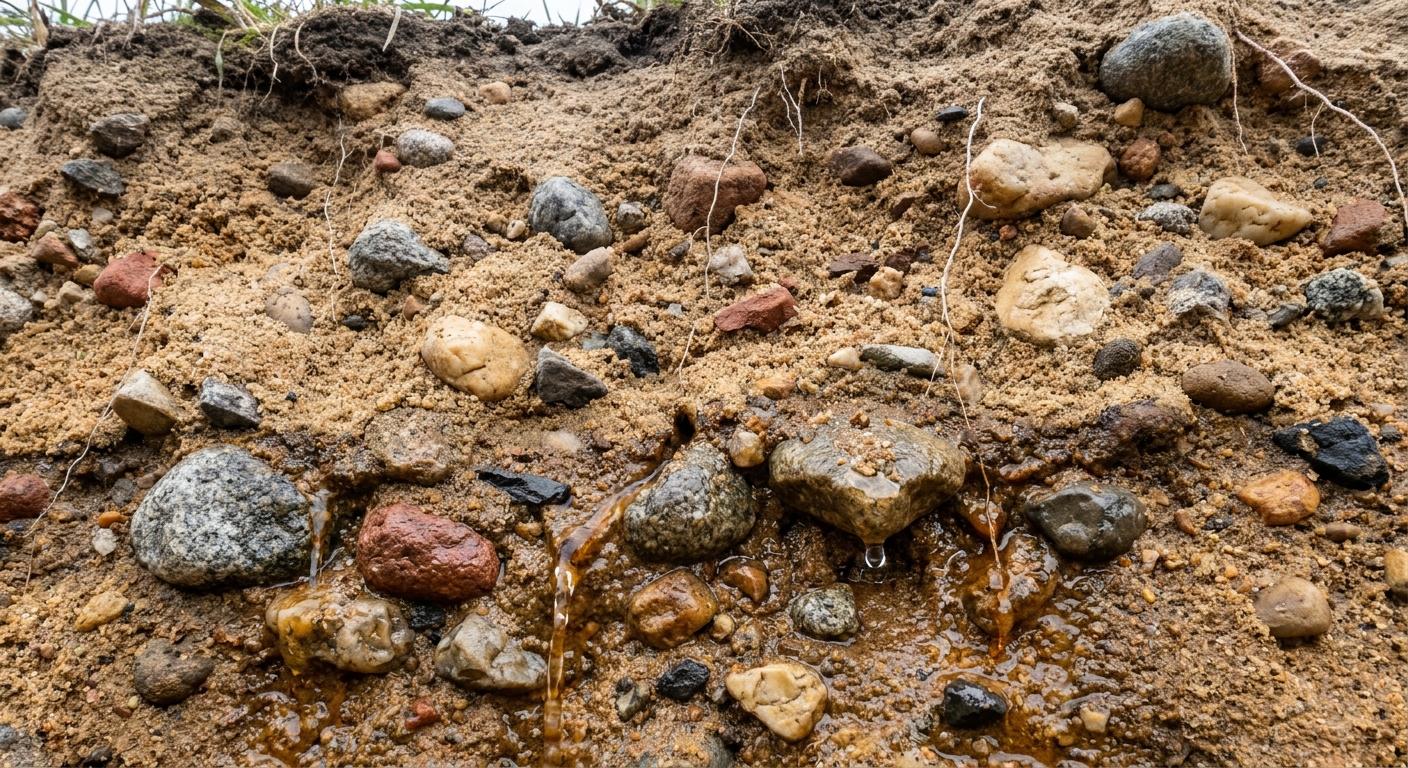
Mentor's identity — and much of its property value — is built around Lake Erie access and one of Ohio's last intact beach-and-dune ecosystems at Headlands Dunes State Nature Preserve. Beneath both, a shallow, unconfined aquifer of sand-and-gravel beach-ridge deposits carries groundwater from inland areas north toward the lake. No impermeable clay or bedrock barrier separates that aquifer from surface activity.
If a drilling operator filed a fracking permit application in that groundwater basin tomorrow, no one at Mentor City Hall could point to an ordinance, a legal analysis or even a staff memo that says the city is ready to respond.
No Ordinance, No Legal Homework
Mentor's zoning code requires adequate drainage and prohibits unauthorized discharges in industrial zones, but it does not mention oil and gas wells, hydraulic fracturing, or drilling setbacks from the Lake Erie shoreline or the Headlands aquifer recharge area. The city has adopted no overlay zoning districts, aquifer-protection zones or wellhead-protection ordinances restricting land uses in the recharge area that feeds both the Headlands preserve and the lakefront water intake.
That silence matters because of what the city can and cannot do under Ohio law. The Ohio Supreme Court ruled in State ex rel. Morrison v. Beck Energy Corp. that local requirements for additional permits, hearings, bonds or zoning restrictions on oil and gas operations are preempted by Ohio Revised Code Chapter 1509, which assigns the Ohio Department of Natural Resources exclusive authority over well permitting, location and spacing.
Ohio's Home Rule Amendment still allows municipalities to adopt local police, sanitary and similar regulations that do not conflict with general laws. Courts apply a three-part test under which a local rule must yield when it is a police-power regulation, the state law is a general law and the two conflict. Legal experts in other Ohio communities have argued that cities retain authority over secondary impacts — noise, truck traffic, operating hours, stormwater management, road wear — without encroaching on state well-permitting power.
Mentor City Council records show no resolutions requesting a legal opinion on which Home Rule powers the city retains over those secondary impacts. The city's planning and zoning files contain no staff memos, consultant reports or outside-counsel analyses exploring the question. No request has gone to the Ohio Attorney General or the city's law director.
The Aquifer That Connects Everything
Lake County's most productive aquifers sit in sand-and-gravel outwash and beach-ridge deposits above shale bedrock. At Headlands, the system is shallow and unconfined, meaning groundwater flows from higher ground south of the lake toward Lake Erie without crossing a protective barrier.
That hydrogeology means contaminants introduced at an inland drilling site — through surface spills, wastewater disposal or subsurface migration — could move through permeable sand and gravel toward the Headlands preserve and the city's lakefront water intake. The beach-ridge deposits that make Headlands Dunes ecologically rare are also the deposits most vulnerable to contamination from upstream sources.
Mentor's drinking water comes from Lake Erie and is supplied in part by Aqua Ohio – Mentor District. The preserve itself sits at 9601 Headlands Road, accessible through Headlands Beach State Park near the end of State Route 44/Heisley Road.
State Moves Fast; City Has No Seat at the Table
ODNR — not Mentor — issues drilling permits. The agency's chief generally must act on a standard application within 21 days, or 30 days in an urbanized area. Ohio's 2026 oil and gas law changes created expedited permit options with additional fees and revised fee schedules based on township population.
Governor Mike DeWine signed Senate Bill 219 in June 2026, cutting the Oil and Gas Land Management Commission's deadline for acting on public-land fracking nominations from 180 days to 90 days and requiring state agencies to execute approved drilling leases within 60 days. The commission then approved 22 fracking bids in late June 2026 covering roughly 15,000 acres of state-owned parks and wildlife areas, including 12,963 acres at Egypt Valley Wildlife Area, 1,483 acres at Jockey Hollow Wildlife Area and 513 acres under Salt Fork State Park.
Revised Ohio Revised Code Section 1509.03, effective Sept. 23, 2026, reinforces state preemption over local oil and gas ordinances, further limiting municipalities' ability to enforce independent zoning or watershed-protection rules that conflict with state permits. Updated Section 1509.22 prohibits discharging oil-and-gas-related fluids into groundwater or surface waters in ways that could harm public health, safety or the environment, and updated Section 1509.23 directs the state to set statewide setbacks from water bodies, recreational areas and buildings.
No fracking has reached Lake County yet. Horizontal Marcellus shale activity during the second quarter of 2026 was concentrated in Morgan, Monroe, Perry, Fairfield and Noble counties, and public ODNR records show no drilling permit applications or lease nominations filed for Lake County parcels during the year.
No Baseline Data, No Monitoring for Fracking Chemicals
Ohio requires operators to sample all water wells within 300 feet of a proposed standard well, and within 1,500 feet of a proposed horizontal wellhead, before drilling. Mentor possesses no baseline groundwater quality data for the aquifer beneath eastern Mentor or the Headlands area that would allow the city to verify an operator's pre-drill samples or detect post-drilling contamination independently.
Lake County Department of Utilities collects more than 120,000 water samples each year at treatment facilities, reservoirs and point-of-use locations. The Lake County General Health District monitors surface water at 24 locations countywide, sampling quarterly for E. coli, dissolved oxygen and nitrates, and tests bacteria levels at Headlands Beach State Park daily during beach season.
But neither agency's protocols appear designed to catch fracking-related contamination. The county utilities department's 2023 water-quality report lists "a moderate number of potential contaminant sources" in its East and West Sub-District source-protection areas — accidental spills and releases from commercial shipping and recreational boating, for example — but does not mention oil and gas drilling, hydraulic fracturing chemicals or flowback-water constituents.
Both agencies declined to answer questions about whether their monitoring includes testing for fracking-associated chemicals, whether they hold baseline groundwater data for the Headlands-area aquifer, or whether they receive automatic notice when ODNR receives a drilling permit application.
Agencies Aren't Talking to Each Other
Mentor city records show no formal memoranda of understanding, interagency coordination agreements or regular meeting schedules with Headlands preserve managers, Lake County utilities or the county health district for sharing groundwater monitoring data or flagging drilling permit applications.
Nick Reale serves as park manager of Headlands Beach State Park. The ODNR Division of Natural Areas and Preserves, which manages the Headlands Dunes preserve and can be reached at 440-632-3010, did not respond to requests for information on whether the division has conducted a groundwater vulnerability assessment for the preserve, monitors oil-and-gas permit activity in its aquifer recharge zone or has asked Mentor to adopt protective ordinances.
Officials Silent on Preparedness
Mayor Scott J. Marn and Council President Janet A. Dowling did not respond to questions about whether the city plans to commission a groundwater vulnerability study, draft ordinances addressing secondary drilling impacts under Home Rule authority, establish a protocol for monitoring state permit applications, or budget funds for baseline water testing and legal review.
Neither official provided a timeline for regulatory preparedness work or indicated whether City Council has discussed oil-and-gas drilling risk to the Headlands preserve or the municipal water supply at any public meeting in 2026.
The gap between what the state can approve and what the city has prepared for remains open. No permit application has been filed in Lake County — but the timeline ODNR operates on, as short as 21 days, does not wait for a city that hasn't done the homework. Residents can raise the question directly at Mentor City Council meetings or by contacting council offices at 440-974-5755 and the Planning & Zoning department at 440-974-5740.