Government
Lake County Fair draws 106,000 visitors, commissioners report
Attendance rose 3.2% from last year, but commissioners disclosed no gate revenue or operating costs, leaving taxpayers in the dark on the fair's bottom line.
By Staff · August 20, 2026
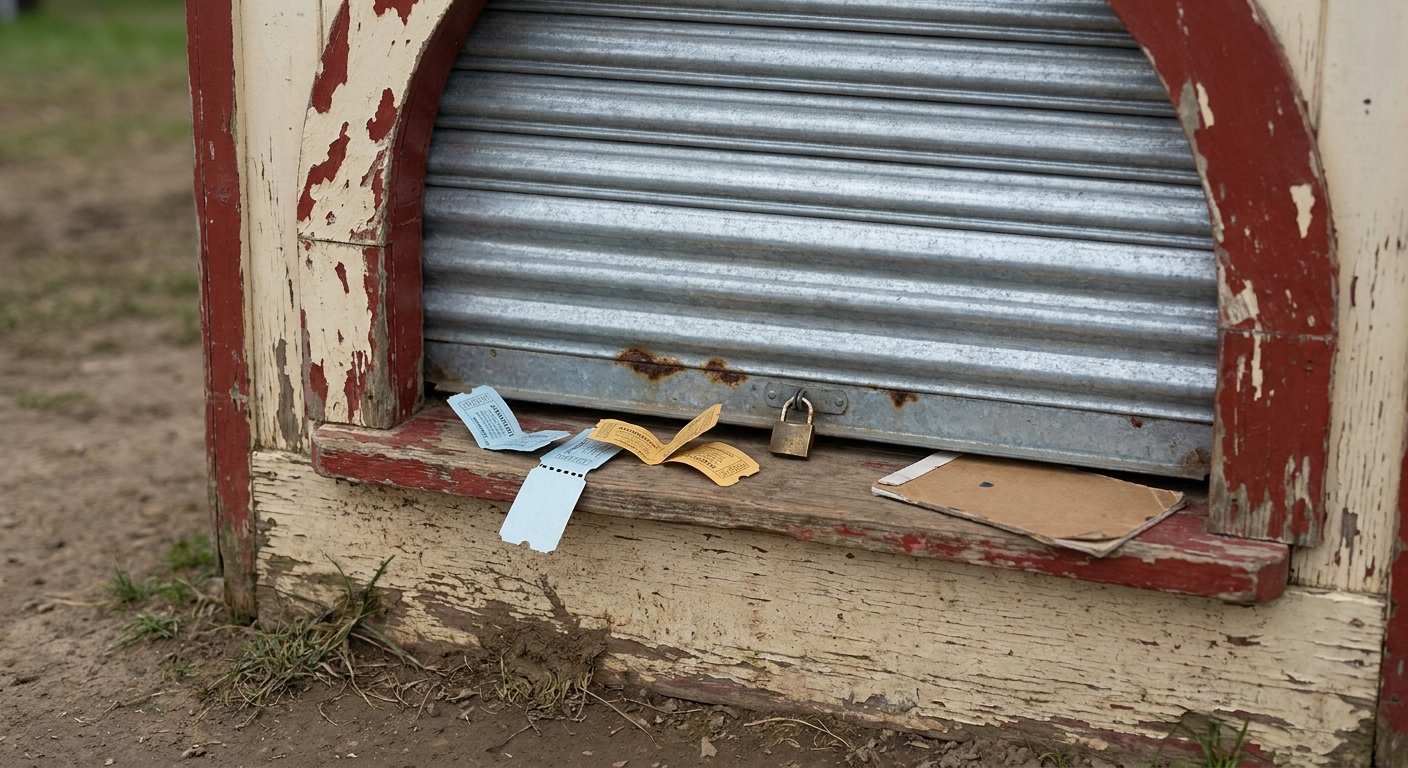
More than 106,000 people came through the gates of the 171st Lake County Fair over six days, from July 28 through Aug. 2 — a turnout Lake County commissioners are celebrating as a sign of the event's enduring civic pull. But their victory lap leaves taxpayers without a basic measure of the fair's success: what it cost to stage and whether revenue covered the expense.
"The Lake County Fair continues to show why it remains one of our community's most cherished traditions," Morris W. Beverage III, president of the Lake County Board of Commissioners, said.
The fair drew 106,012 visitors, up 3.2 percent from the 102,728 people who attended in 2025. Attendance remained below the all-time record of 133,384, set in 2021.
"The fair brings together families, neighbors, and friends in a celebration of everything that makes Lake County strong," Commissioner Morgan R. McIntosh said.
The commissioners' Aug. 6 announcement also celebrated several record-setting events. The 4-H livestock auction generated approximately $606,000 from more than 340 lots, setting a record for the fourth consecutive year. The motocross event drew 236 riders and generated a record $22,000 in fees. The opening-night bake sale brought in $8,491, also an all-time record.
Yet the announcement did not say how much the fair collected at the gate, earned from vendors, or spent to operate, nor did it disclose whether the event broke even. General admission cost $12 for visitors aged 3 and older, with several discount and free-admission days offered for veterans, families, children, and seniors. With 106,012 attendees, even assuming many used discounted or free entry, the fair likely collected hundreds of thousands of dollars in gate receipts alone — but commissioners released no total figure.
Those figures matter because the fair and its grounds are tied to public support. The Lake County Fairgrounds are operated by the Lake County Agricultural Society, Inc., a 501(c)(3) nonprofit organization that reported zero liabilities on its 2024 Form 990. Ohio agricultural societies can receive public funding through voter-approved property tax levies, the Ohio Fairs Fund, and state grant programs for capital projects. The Lake County Agricultural Society received $106,831.54 in state grants in 2024 through Ohio's County & Independent Fairs Grant Program for capital projects and fair improvements.
The question of public support for the Lake County Fair stretches back more than a century. In 1894, the Lake County Fair Board asked county commissioners for financial assistance, but the county prosecutor ruled that county money could not be spent for that purpose, leading the fair to seek voter approval for a bond issue instead. County fairgrounds across Ohio now routinely receive public subsidies through property tax levies, state funding, and capital grants, placing fair finances squarely within the realm of taxpayer accountability.
Ohio law requires county agricultural societies to file annual financial reports with the Ohio Department of Agriculture and provides for publication of notice that a report has been filed and is available for public inspection. The state's agricultural-society accounting guidance includes categories such as gate admissions, parking, concessions, vendor income, grandstand admissions, and state aid. The commissioners' announcement contained none of those totals for the 2026 fair.
The Mentor Headlands Herald requested financial details from the Lake County Board of Commissioners, including total gate receipts, vendor revenue, operational costs, and the 2026 fair's net financial performance.
Until commissioners release those figures, Lake County residents are left to celebrate the strong attendance without knowing whether the fair was a financial success, a break-even proposition, or a loss that county taxpayers will quietly cover.