Local News
State Auditor Released Medicaid Review of ViaQuest Facility on West Heisley Road
The audit reviewed the Mentor facility's 2024 Medicaid billing and documentation alongside several other ViaQuest locations statewide.
By Staff · August 28, 2026
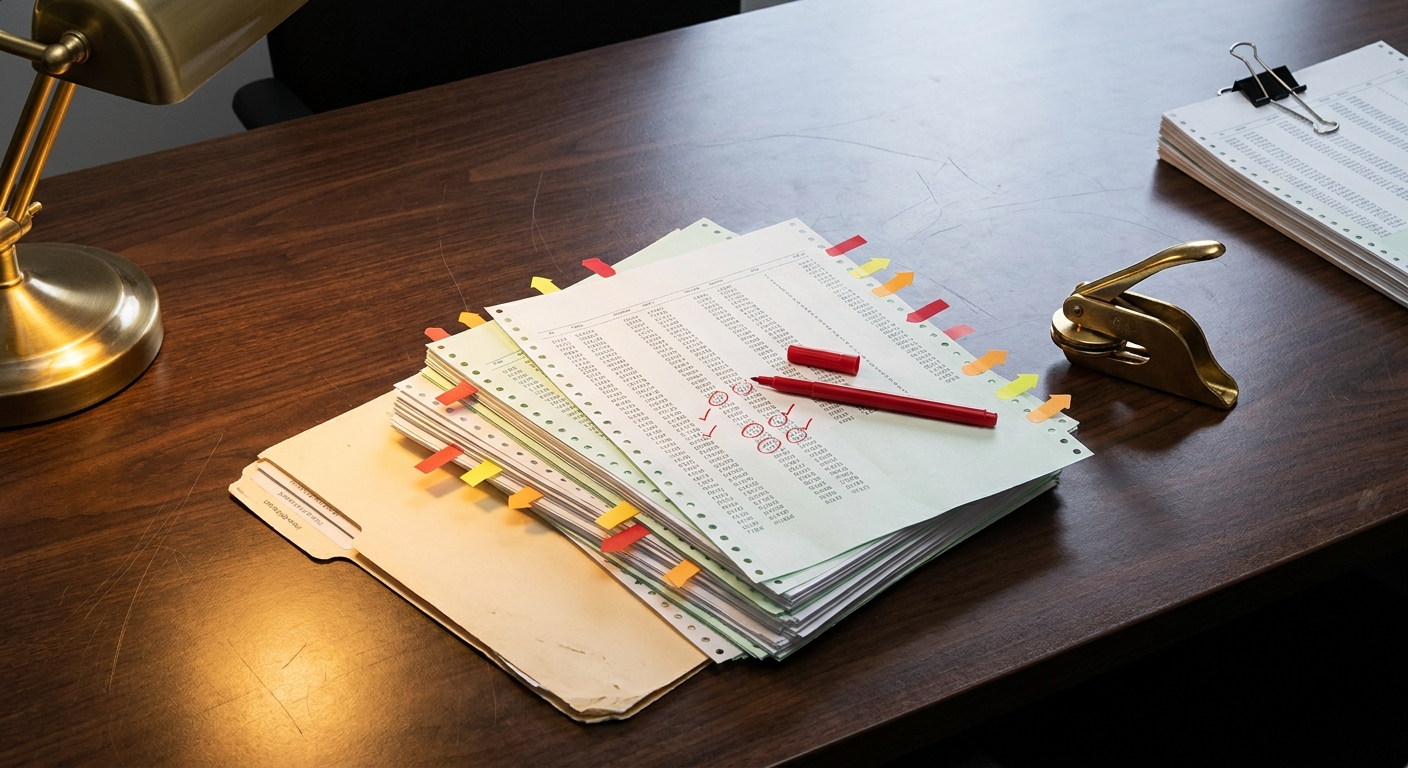
The Ohio Auditor of State on Aug. 18, 2026, released a Medicaid program integrity audit of ViaQuest Healthcare Central, LLC's West Heisley facility in Mentor — a review that examines whether the care provider's billing and documentation square with the rules governing taxpayer-funded services for people with intellectual and developmental disabilities.
The agreed-upon procedures report covers the facility's Medicaid activity from Jan. 1, 2024, through Dec. 31, 2024. West Heisley was not singled out: Ohio Auditor of State Keith Faber's office released Medicaid program integrity audits of multiple ViaQuest Healthcare Central facilities the same day, including Howe House, Cherry Hill Home and Woodville.
The report is available through the Auditor's Audit Search page at ohioauditor.gov, which allows searches by entity name, report type, county or date.
What the Review Examines
Medicaid program integrity reviews test whether a provider's claims, documentation, billing practices and eligibility-related controls comply with state and federal requirements. Auditors look for improper payments, fraud, waste and abuse.
The Auditor's Medicaid Contract Audit team performs this work under contract with the Ohio Department of Medicaid, reviewing areas that include Medicaid cost reports, provider compliance, county developmental disability systems, intermediate care facilities and PASSPORT providers. Auditors use data analytics and risk indicators to select providers, then test records for common problems — practitioner qualification issues, insufficient documentation, missing or incomplete service authorizations and billing beyond coverage limits.
What Can Trigger an Audit
Not every audit begins with a complaint. The Auditor's office uses data mining, research and risk ranking to select providers before fieldwork begins, and routine monitoring and planned program integrity cycles also generate reviews. Risk-based assessment, data analysis, complaints, suspected fraud or abuse, and anomalies in claims or utilization can all put a provider on the list.
What's at Stake Locally
ViaQuest provides residential services, supported living, ICF/IDD services, respite, employment support and community access assistance to individuals with intellectual and developmental disabilities. ViaQuest Healthcare Central operates Intermediate Care Facility for Individuals with Intellectual Disabilities (ICF/IID) services in Ohio.
Families with members at the West Heisley facility depend on Medicaid reimbursement to sustain that care, making proper billing and documentation essential to service continuity. For Lake County taxpayers, the audit functions as a public accountability check on state healthcare dollars spent locally.
The Lake County Board of Developmental Disabilities, known as Deepwood, determines eligibility for locally funded services and Medicaid-funded support programs through its Service and Support Administration. Deepwood's Provider Support department helps agency, independent and ICF providers comply with Medicaid and Ohio Department of Developmental Disabilities requirements.
What Happens Next
After a Medicaid program integrity audit, the usual course includes corrective action by the Ohio Department of Medicaid and possible repayment or recovery of improper payments, followed by oversight to confirm fixes were implemented. If the audit identifies improper payments, the Auditor may recommend repayment or recoupment of funds, sometimes with interest. The Ohio Department of Medicaid and the Ohio Attorney General's Office may also act to recover money and enforce compliance based on the findings.
The central question — whether ViaQuest's West Heisley facility billed Medicaid correctly during 2024 — now sits in a public document that Mentor families and Lake County taxpayers can read for themselves.