Public Safety & Courts
Mentor Fire Department Disposes of 200 Gallons of Toxic PFAS Foam, Switches to Safer Alternative
The city used Ohio's AFFF Takeback Program to destroy stockpiled "forever chemical" foam that posed risks to local groundwater and the Lake Erie watershed.
By Staff · August 20, 2026
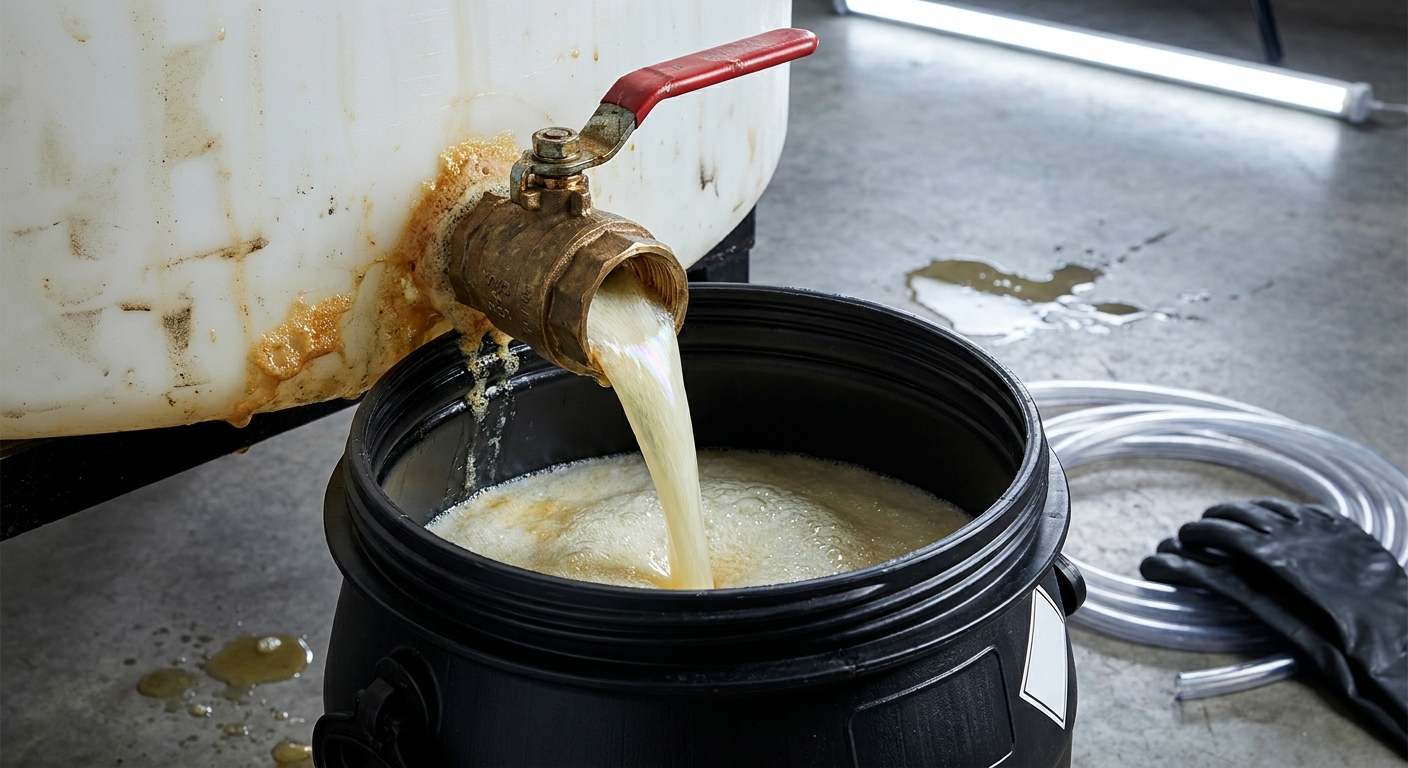
About 200 gallons of PFAS-containing firefighting foam once stored in Mentor firehouses have been removed from the city's emergency-response inventory and destroyed through Ohio's statewide AFFF Takeback Program. The Mentor Fire Department replaced the material with a non-PFAS alternative.
"The department disposed of approximately 200 gallons and replaced it with a non-PFAS alternative," said Ronald A. Zak, fire chief of the Mentor Fire Department. Zak became the city's fire chief effective Jan. 17, 2025.
The disposal removes a persistent source of potential contamination from Mentor's firehouses. When used during training drills or emergency responses, PFAS-containing foam posed risks to groundwater and the Lake Erie watershed.
PFAS — per- and polyfluoroalkyl substances — are widely called "forever chemicals" because they are highly persistent and do not break down easily in the environment, accumulating in people and the environment over time. Exposure has been associated with immune effects, thyroid and liver effects, reproductive and developmental problems, increased cholesterol, and some cancers, including kidney and testicular cancer.
Aqueous film-forming foam, or AFFF, has contained PFAS compounds such as PFOA and PFOS. Its use in training and emergency response has contaminated groundwater, especially near military bases, airports, and fire stations. A Great Lakes basin study found PFAS in surface water at 100 percent of tributary sites sampled and in sediment at 92 percent of sites, with Lake Erie tributaries contributing significantly to the PFAS burden.
Although fluorine-free firefighting foams have been commercially available since at least 2002, nearly two decades passed before Ohio restricted the use of PFAS foam in training. R.C. 3737.52, which took effect June 13, 2022, prohibits PFAS-containing firefighting foam for training purposes but still allows its use during actual emergencies and testing when containment, treatment, and disposal measures are in place.
The transition also depended on newer performance standards and a state-funded system for collecting and destroying existing stockpiles. The U.S. Navy published its military performance specification for fluorine-free foam, MIL-PRF-32725, in January 2023, and the Department of Defense approved the first MILSPEC-qualified fluorine-free foam for purchase in September 2023. Ohio launched the AFFF Takeback Program in March 2024, allowing fire departments and other public entities to turn over stockpiled PFAS foam for destruction at no cost to participating agencies.
Ohio completed the program's first phase in August 2026, destroying more than 13,500 gallons collected from 118 fire departments and two municipal airports. That phase was funded with $3 million from an Ohio settlement in the state's PCBs enforcement case against Monsanto; by Aug. 12, 2026, Ohio had paid Battelle $2.85 million for the collection and destruction, representing about 95 percent of the authorized amount.
The foam was destroyed at a Columbus facility using the PFAS Annihilator, a supercritical water oxidation system developed by Battelle and operated by Revive Environmental. The system heats water to about 600 degrees Celsius and pressurizes it to about 3,200 psi, breaking PFAS down into clean water, carbon dioxide, and inert salts. The collected material represented about 250 different foam formulations, and participating departments received Certificates of Processing as proof of proper destruction.
The state is now expanding the program with more than $13 million from a DuPont settlement. Officials estimate that at least 60,000 gallons of PFAS foam may remain across Ohio awaiting collection and destruction. Registration for the second round is due by Sept. 4, 2026, with collection anticipated to begin in November 2026.
Aqua Ohio's 2024 water quality report for Mentor found no detections from the unregulated contaminants list, which includes 29 PFAS compounds, in testing of the city's public water system. That testing measures treated drinking water at distribution points, however, rather than site-specific soil or groundwater at former training locations where PFAS foam may have been used over decades.
Zak said Mentor's replacement foam "works differently but is just as effective." Studies have found that fluorine-free foams are generally less effective than legacy PFAS-containing AFFF, particularly across the full range of fuel types and test conditions, although many fluorine-free formulations have achieved major third-party certifications and can meet international Class B foam standards.